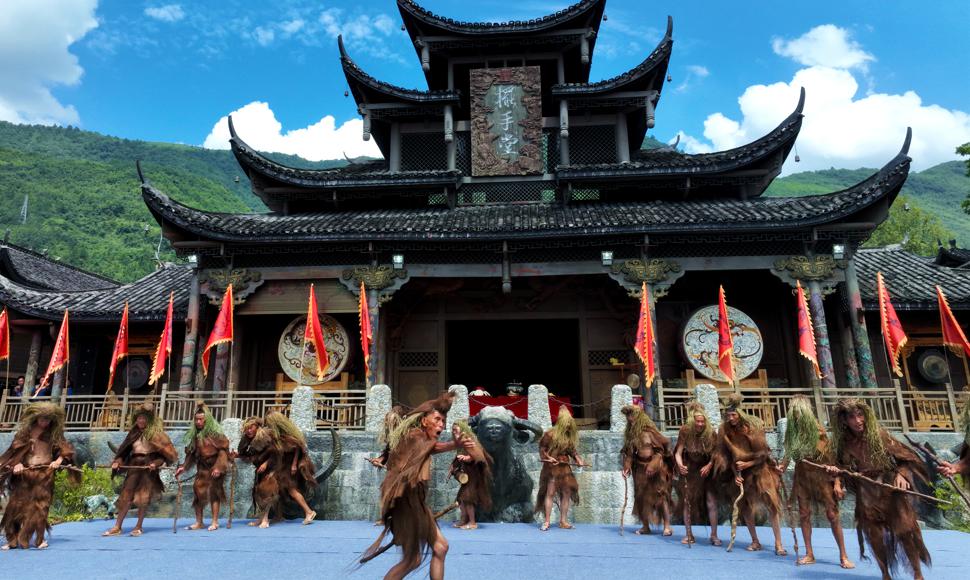
Sheba Festival
Introduction
The Sheba Festival is a significant cultural event celebrated by the Tujia ethnic group, primarily observed in Hunan, Hubei and Chongqing, China. This festival serves as a grand occasion for the Tujia people to honor their ancestors and pray for prosperity, peace, and good weather. The Sheba Festival typically takes place around the 14th to the 16th day of the first lunar month annually, but in certain regions, it occurs in the third or fifth lunar month instead. This celebration is distinguished by a range of intricate ceremonial practices and lively cultural showcases. Attendees gather at the funnel-shaped Sheba altar to participate in these age-old traditions, which have been preserved and passed down through generations. The festival not only showcases the rich cultural heritage of the Tujia people but also plays a pivotal role in strengthening community bonds and promoting cultural tourism in the region.
History
The Sheba Festival has deep historical roots within the Tujia community, tracing back centuries as a vital ritualistic event. Traditionally, the festival extended over three days and three nights, characterized by a formal procession led by "Tima," a religious figure, after the gong was struck three times, followed by the firing of the iron cannon and the sound of drums. This procession marked the beginning of the festivities as the Tujia people converged on the Sheba field. The festival served as a time for young men and women to participate in social activities, such as singing and dancing, which were essential for courtship and community interaction. Despite modern changes, many original practices, like ancestor worship and traditional singing and dancing, have been preserved. The Sheba Festival continues to be a testament to the enduring cultural legacy of the Tujia people, reflecting their historical values and social structures.
Cultural Significance
The cultural significance of the Sheba Festival lies in its role as a cornerstone of Tujia identity and heritage. It is a time when the Tujia people come together to express gratitude to their ancestors, seek divine blessings, and reinforce their cultural traditions. The festival's rituals and performances are a means of preserving the intangible cultural heritage of the Tujia, showcasing traditional dances, songs, and ceremonies that have been passed down through generations. It also highlights the communal values of the Tujia people, emphasizing unity, cooperation, and the celebration of life. The festival's cultural importance extends beyond the Tujia community, as it attracts visitors and scholars interested in exploring the rich tapestry of Tujia customs and traditions, thereby fostering cross-cultural understanding and appreciation.
Key Events
Ceremonial Rites
Central to the Sheba Festival are the ceremonial rites, which are deeply rooted in Tujia spiritual and cultural beliefs. These rites include the dragon gate sacrifice, the ancestral temple sacrifice, the god temple sacrifice, and the send-off sacrifice, each serving a unique purpose in honoring the ancestors and deities. These rituals are performed with great reverence and precision, often accompanied by the beating of drums and the playing of horns to create a solemn and sacred atmosphere. The rites are led by respected elders and religious figures, who guide the community in prayers and offerings, symbolizing a connection between the past, present, and future.
Performances
The Sheba Festival is renowned for its vibrant performances, which are integral to the celebration. These include the copper bell drum dance, the Tima invocation song, the Tima sweeping song, the peace song, the sweeping dance, and the hat dance. Each performance carries its own symbolic meaning, often celebrating the achievements of Tujia ancestors or wishing for peace and prosperity. The performances are a visual and auditory feast, characterized by colorful costumes, rhythmic movements, and melodious tunes that captivate audiences and convey the rich cultural narratives of the Tujia people.
Traditional Cuisine
Traditional cuisine plays a significant role in the Sheba Festival, with culinary practices reflecting the Tujia people's agricultural roots and communal lifestyle. One of the key culinary traditions is the preparation and consumption of "disaster-free rice," a dish that symbolizes a prayer for good weather and peace in the coming year. The communal aspect of the festival is further emphasized by the sharing of meals among families and visitors, showcasing the warm hospitality and culinary expertise of the Tujia community. Traditional dishes often include smoked bacon and other local specialties, providing a taste of the region's unique flavors and food heritage.
Influence and Recognition
The Sheba Festival has gained recognition beyond the Tujia community, becoming a symbol of cultural pride and a significant tourist attraction in Hunan province. The festival's influence extends to promoting cultural tourism and rural revitalization in the region, as it draws visitors eager to experience the rich traditions and vibrant celebrations of the Tujia people. Initiatives to integrate the festival into broader eco-cultural tourism routes have helped boost local economies and increase awareness of Tujia culture. Furthermore, the festival's recognition as an important cultural event has led to efforts in preserving and promoting Tujia intangible cultural heritage, ensuring that these traditions continue to thrive and be appreciated by future generations.
Modern Celebrations
In contemporary times, the Sheba Festival has adapted to modern influences while retaining its traditional essence. The festival's duration has been shortened to one day, but key activities such as ancestor worship, traditional performances, and culinary traditions remain integral to the celebration. Modern celebrations have also embraced technological advancements and media to reach a broader audience, enhancing the festival's visibility and appeal. This evolution reflects the Tujia people's ability to balance tradition with modernity, ensuring that the Sheba Festival continues to be a vibrant and relevant cultural event in today's society.








